Europe Defies Trump: Spain Reopens Iran Embassy and Britain Leads 40-Nation Coalition as EU Calls Washington’s NATO Bluff
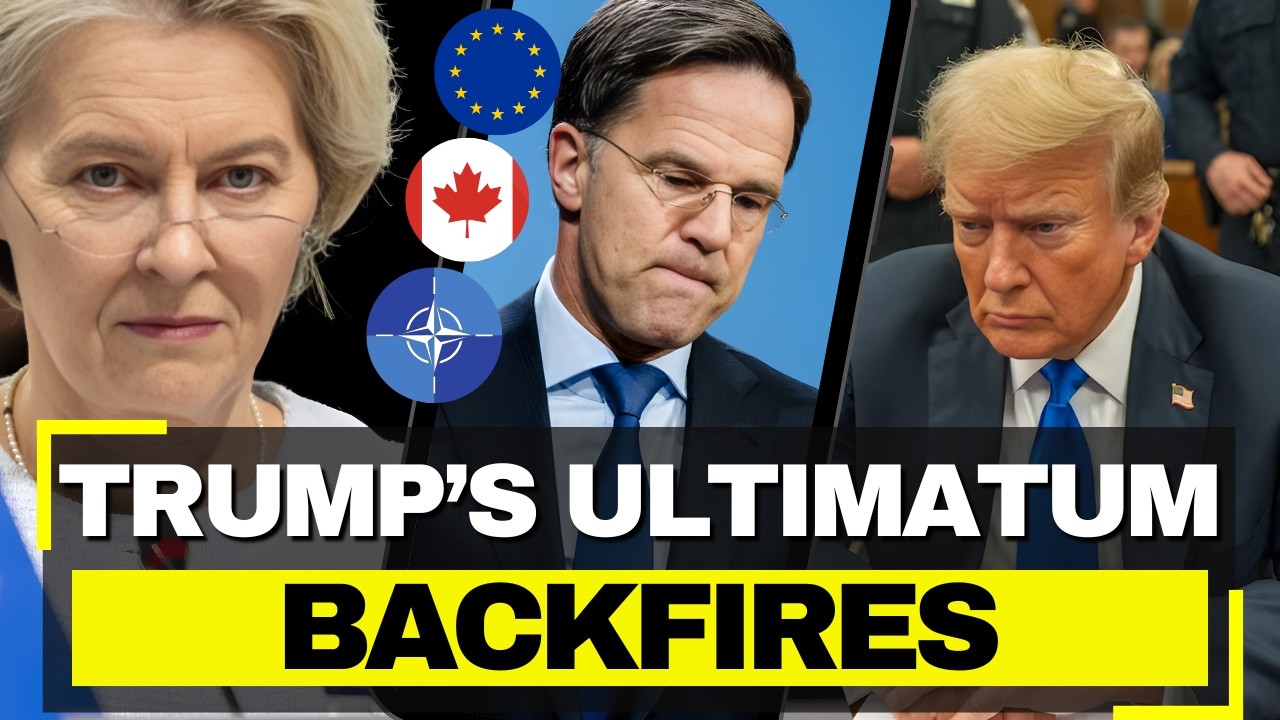
The transatlantic alliance, for decades the bedrock of global security, is currently facing a “moment of truth” that could redefine Western geopolitics forever. Following a series of aggressive military actions in the Middle East initiated by the United States, President Donald Trump issued a high-stakes ultimatum to European capitals: provide concrete military commitments to the Strait of Hormuz within days, or witness a total withdrawal of American troops and a possible U.S. exit from NATO.
The response from Europe was not the scramble for compliance Washington expected. Instead, it was a coordinated display of defiance and a definitive pivot toward strategic autonomy. From Spain reopening its embassy in Tehran to Britain organizing a 40-nation naval coalition independent of U.S. command, Europe has sent a clear message: the era of following American leadership into unilateral conflicts is over.
The Ultimatum: Ships or Withdrawal
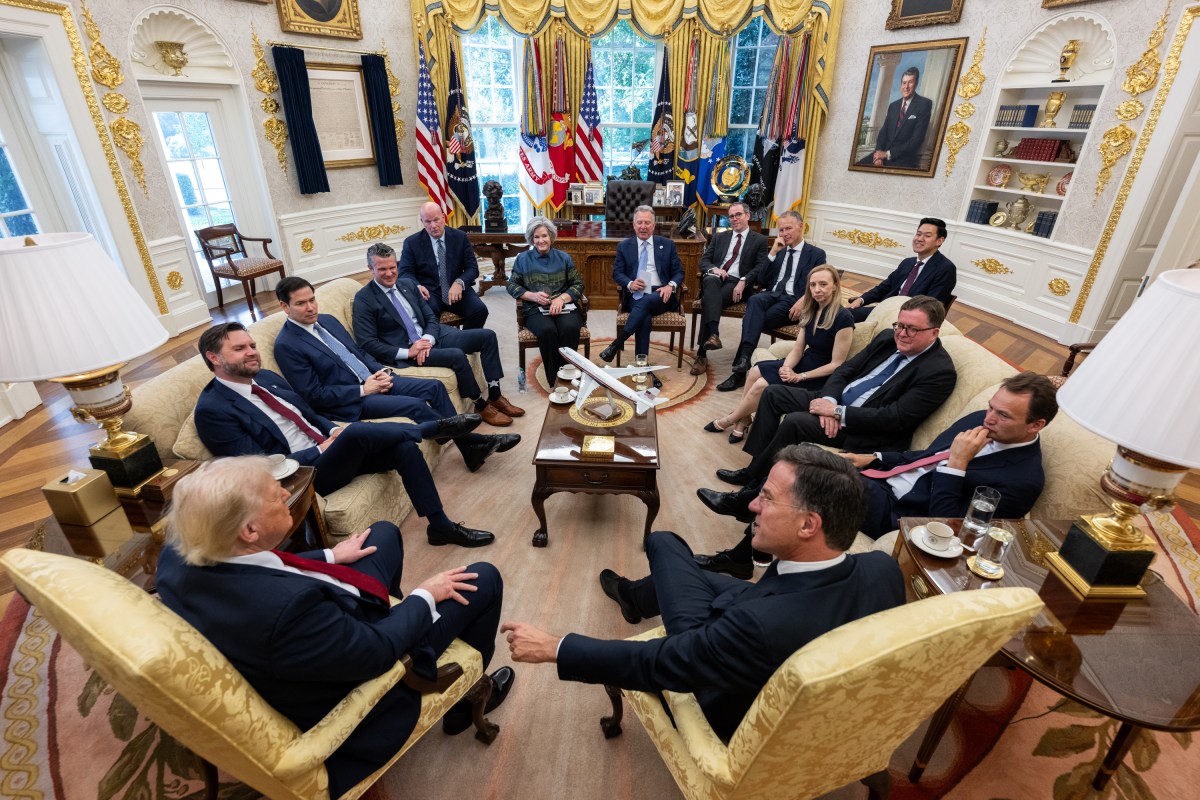
The crisis reached a boiling point after NATO Secretary General Mark Rutte met with President Trump at the White House on April 8th. Rutte was tasked with conveying Trump’s demands to European governments: send warships to the Strait of Hormuz to secure the waterway following the disruptions caused by the U.S.-Israeli bombing campaign in Iran.
Trump’s leverage was a direct threat to the 32-member alliance. He characterized NATO as “ineffective” and signaled a willingness to remove U.S. military contingents from countries that did not support the war efforts—specifically targeting Spain and Germany. For Trump, the logic was simple: European allies benefit from U.S. protection, so they should serve as the “cleanup crew” for the consequences of American military strategy.
Spain and Germany: “This Is Not Our War”
The resistance was led by two of Europe’s most influential nations. German Defense Minister Boris Pistorius delivered a blunt assessment to Washington, stating, “This is not our war.” Germany has made it clear that while it is willing to participate in joint missions, it will only do so under UN approval and once a sustainable ceasefire has been reached. Berlin is refusing to be dragged into a conflict it was never consulted on.
The crisis reached a boiling point after NATO Secretary General Mark Rutte met with President Trump at the White House on April 8th. Rutte was tasked with conveying Trump’s demands to European governments: send warships to the Strait of Hormuz to secure the waterway following the disruptions caused by the U.S.-Israeli bombing campaign in Iran.
Trump’s leverage was a direct threat to the 32-member alliance. He characterized NATO as “ineffective” and signaled a willingness to remove U.S. military contingents from countries that did not support the war efforts—specifically targeting Spain and Germany. For Trump, the logic was simple: European allies benefit from U.S. protection, so they should serve as the “cleanup crew” for the consequences of American military strategy.
Spain and Germany: “This Is Not Our War”
The resistance was led by two of Europe’s most influential nations. German Defense Minister Boris Pistorius delivered a blunt assessment to Washington, stating, “This is not our war.” Germany has made it clear that while it is willing to participate in joint missions, it will only do so under UN approval and once a sustainable ceasefire has been reached. Berlin is refusing to be dragged into a conflict it was never consulted on.
Spain’s response was even more radical. Instead of deploying destroyers to the Persian Gulf to confront Iran, Madrid announced it is reopening its embassy in Tehran. Prime Minister Pedro Sánchez framed the decision as a pursuit of independent peace, stating that Spain would work with Iran to achieve stability rather than helping the U.S. secure the Strait through force. By opening direct diplomatic channels with the very country Trump is at war with, Spain has effectively bypassed the White House entirely.
The British-Led Alternative: A 40-Nation Coalition
In perhaps the most significant blow to American prestige, the United Kingdom—traditionally Washington’s closest ally—is now leading a coalition of approximately 40 countries to develop a military and diplomatic plan for the Strait of Hormuz.
This is not an American-led mission. It is a parallel structure built by European and international partners to manage the global energy crisis without relying on U.S. leadership. French President Emmanuel Macron further noted that 15 countries are already coordinating to facilitate the resumption of maritime traffic. These nations are negotiating directly with Iran, even discussing terms like transit tolls that the U.S. has categorically rejected. For Europe, pragmatic trade routes are now more important than supporting American “force projection.”
The Vanishing Leverage of U.S. Troops
The core of the failure of Trump’s ultimatum lies in a fundamental misunderstanding of why U.S. troops are in Europe. While Washington views the 100,000 troops stationed in Germany, Italy, and the UK as a “gift” of protection, European leaders increasingly see them as infrastructure for American interests. Bases like those in Germany serve as logistics hubs for U.S. operations in Africa and the Middle East—regions where Europe often disagrees with American intervention.
If Trump pulls these troops, Europe does not necessarily lose its defensive capability; rather, the United States loses its ability to project power across three continents. As Europe builds its own “sovereign military cloud” to exclude American tech giants and nationalizes critical technology firms to prevent U.S. acquisition, the threat of an American withdrawal loses its potency.
Conclusion: A New Era of Collective Coordination
The events of April 2026 suggest that NATO is transforming from a system of “collective defense” under American leadership into a system of “collective coordination” among equals. Europe is proving that it has the diplomatic and military capacity to build its own security structures.
By threatening to abandon Europe as punishment for non-compliance, the Trump administration has inadvertently validated the European argument for independence. If American commitments are subject to the whims of a single leader, they are no longer a reliable foundation for security. Europe hasn’t just called the bluff; it has started building a future where the bluff no longer matters. The ships in the Strait of Hormuz may eventually return, but they will likely be sailing under a different set of orders.